
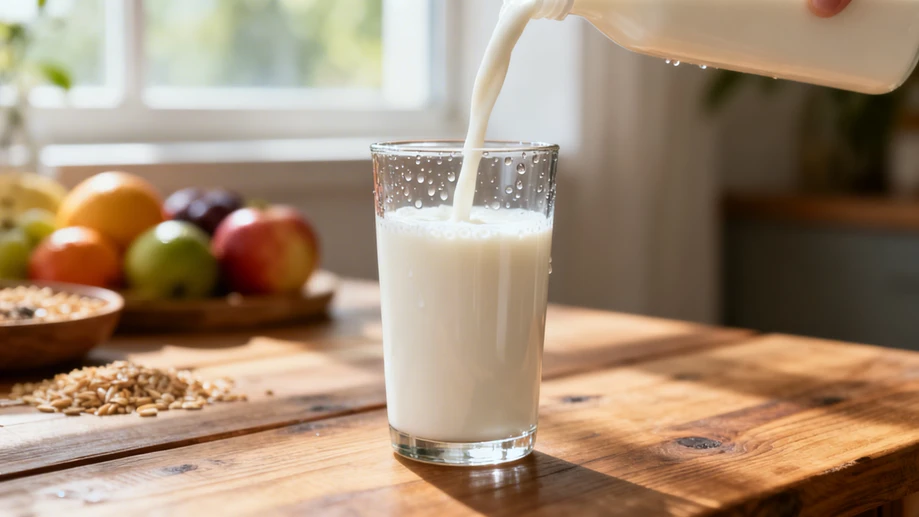
Is Your Belief That Milk Causes Mucus Based on Real Science or Just an Old Wives Tale
Discover why this widespread dairy misconception persists and how science proves that milk doesn't actually increase mucus production in your body.
Picture this: you wake up with a scratchy throat and a runny nose, reach for a comforting glass of milk, only to hesitate because you've heard that dairy can make your cold symptoms worse by producing more mucus. It's a scenario that plays out in countless homes, especially during flu season, with people swapping milk for tea or water in the hope of easing their congestion. This belief is so ingrained that it has become almost second nature, passed down through generations as common wisdom. But before you banish that carton from your fridge, it's worth asking whether this is backed by solid evidence or if it's just another myth that's been blown out of proportion.
Let's dive into the science behind this claim. For decades, studies have consistently shown that milk does not stimulate increased mucus secretion in the respiratory tract. In one landmark experiment, researchers had participants drink milk and then monitored their mucus levels using objective measures like nasal swabs and symptom diaries. The results revealed no significant difference compared to when they consumed a placebo drink. In fact, the sensation of thickness or coating in the throat that some people report after drinking milk is often due to its texture and fat content interacting with saliva, creating a temporary feeling that mimics excess mucus. This is purely a physical reaction, not a biological trigger for mucus production, and it disappears quickly without affecting your actual congestion or health.
Now, why does this myth cling on so stubbornly despite the evidence? It likely stems from historical anecdotes and cultural beliefs that date back centuries when limited medical knowledge led people to associate milk with phlegm, especially in illnesses like the common cold. Over time, this idea was reinforced by well-meaning advice from family members or even some health practitioners who hadn't caught up with modern research. Moreover, our brains are wired to notice patterns, so if someone feels thicker saliva after dairy and then connects it to their cold symptoms, it creates a convincing but false correlation. This persistence highlights how easily misinformation can spread in everyday life, turning into a "fact" that influences daily choices like skipping milk when you're under the weather.
So, what's the real story on mucus and how can you enjoy milk without worry? Mucus is a natural protective layer produced by your body to trap irritants and pathogens, and its increase during a cold is caused by viral infections or allergies, not by what you eat or drink. In reality, milk provides essential nutrients like calcium and vitamin D that support your immune system, potentially helping you recover faster. If you're concerned about that thick feeling, try opting for low-fat or skim milk, which has less fat to interact with saliva, or pair it with foods like whole grains to balance the texture. The key takeaway is that avoiding dairy during illness isn't necessary and could even deprive you of valuable hydration and nutrition when you need it most.
Ultimately, debunking this myth empowers you to make informed decisions about your diet without unnecessary fear. Next time a cold hits, go ahead and savor that warm milk with honey—it might just be the comforting remedy you crave. By embracing the facts, you can turn everyday moments into opportunities for better health, free from the shadows of outdated beliefs.