
Vinegared Canvas: The Delicate Alchemy of Sushi
A gastronomic journey through Japan's most iconic edible art form.
The story of sushi begins not in exclusive Tokyo eateries, but centuries ago along Southeast Asian riverbanks where fermented fish and rice were preserved as practical sustenance. This ancient technique, known as narezushi, traveled to Japan with rice cultivation around the Yayoi period (300 BC–300 AD). Early versions featured heavily salted fish packed in rice and left for months; the rice itself was discarded after fermenting the fish. Centuries of refinement transformed preservation into an art during Edo-era Japan (1603–1868), when vinegar seasoning hastened fermentation and street vendors sold nigirizushi from pushcarts. Tokyo’s bustling Edo (now Tokyo) proved fertile ground for innovation—fresh ocean catches enabled quick preparation, while regional flavors permeated creations. Sushi’s global ascendance accelerated postwar as Japan reopened, evolving from niche novelty to culinary constant in modern metropolises.
At sushi’s core lies shari—vinegared rice crafted with surgical precision. Japanese short-grain rice undergoes meticulous washing before cooking to remove excess starch. The cooked grains are gently folded with a seasoned blend of rice vinegar, salt, and sugar called awasezu, ensuring glossy, sticky yet separated pearls. Temperature regulation proves critical: sushi masters transfer rice to a wooden hangiri tub, fanning vigorously to cool while preserving moisture. This alchemical foundation cradles neta—sustainably sourced toppings ranging from fatty bluefin toro to oceanic botan ebi shrimp. From Tsukiji market predawn auctions (now relocated to Toyosu) to neighborhood suppliers, origin and freshness command reverence. Wasabi serves not just as spicy accompaniment, but antimicrobial shield; a subtle swipe beneath fish mitigates risks in raw consumption, embodying the cuisine’s calculated safety measures.
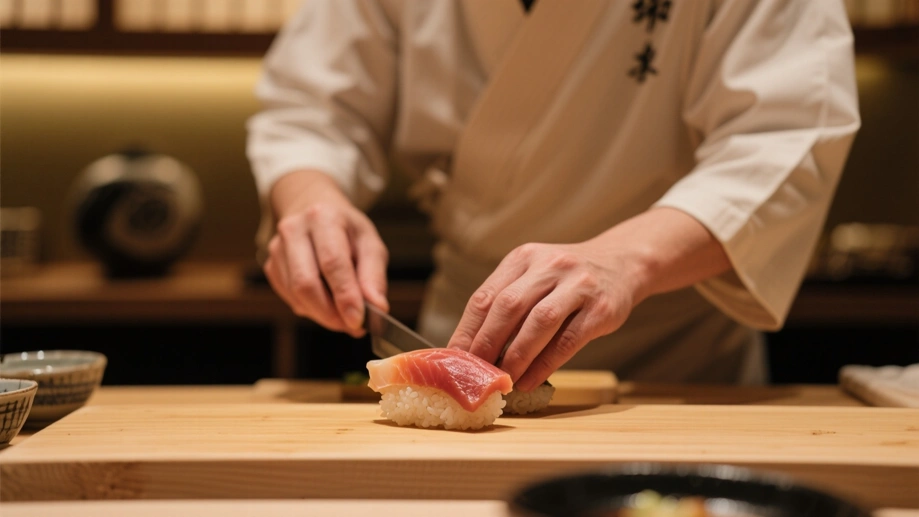
Sushi manifests through distinct archetypes. Nigiri defines the form—hand-pressed shari bases crowned with precise slices of seafood. Its elegance emerges from minimalism: a chef’s fingers shape warm rice into oblong mounds, draped with glistening tai red snapper or charcoal-seared unagi eel. Maki rolls, conversely, celebrate creativity—vinegared rice blankets nori seaweed sheets swaddling combinations like cucumber kanpyō and marinated kampachi. Beyond standard hosomaki (slender rolls), uramaki inverts construction hiding nori inside rice, exemplified by California rolls incorporating Western ingredients. Gunkan battleship forms cradle loose toppings like sea urchin uni or salmon roe ikura within nori collars. Sashimi—while technically not sushi—often completes omakase tastings, showcasing uncut fish mastery through textures and translucent marbling presented without rice accompaniment.
Authentic sushi channels Japanese cultural philosophy. It embraces washin—harmony between nature and craft—through seasonal rotations (shun) capturing peak ingredient freshness. Spring menus feature cherry blossom-pink botan shrimp, while winter serves fatty kohada gizzard shad. Presentation adheres to ma principles of intentional space: porcelain plates frame minimalist arrangements allowing ingredients singular focus. Ritual governs consumption: ginger gari cleanses the palate between bites; chopsticks or fingertips transport nigiri upside-down, letting fish kiss the tongue first. Seasoned chefs earn mastery over decades—apprentices spend years perfecting rice preparation before touching knives. This hierarchy preserves techniques while fostering innovation within boundaries, balancing respect for tradition with contemporary interpretations.
Sushi today functions as edible diplomacy, morphing across cultures while anchoring Japanese identity. Regional interpretations emerge worldwide: Nordic variants incorporate dill and smoked salmon; Peruvian tiraditos fuse sashimi and ceviche techniques with ají amarillo chili paste. Sustainability challenges ignite innovation—bluefin tuna alternatives like ocean trout gain menus, while plant-based tuna mimics flakiness through tomato and algae. Technology pushes boundaries with robotic arms precisely slicing fish in chain establishments. Yet reverence persists globally: Michelin-starred temples like Tokyo’s Sukiyabashi Jiro attract pilgrims seeking transcendent bites. Whether consumed conveyor-belt style in London alleys or at high-end Ginza counters, sushi unites universal appreciation for balance and craftsmanship. This edible art continues evolving while preserving its soul—a humble vinegared canvas revealing profound beauty through precision and fleeting simplicity.