
Is Your Mango Pomelo Sago Actually Healthy? The Sugar Trap Revealed
Unmasking the hidden sweet truth behind this tropical dessert that might surprise regular consumers
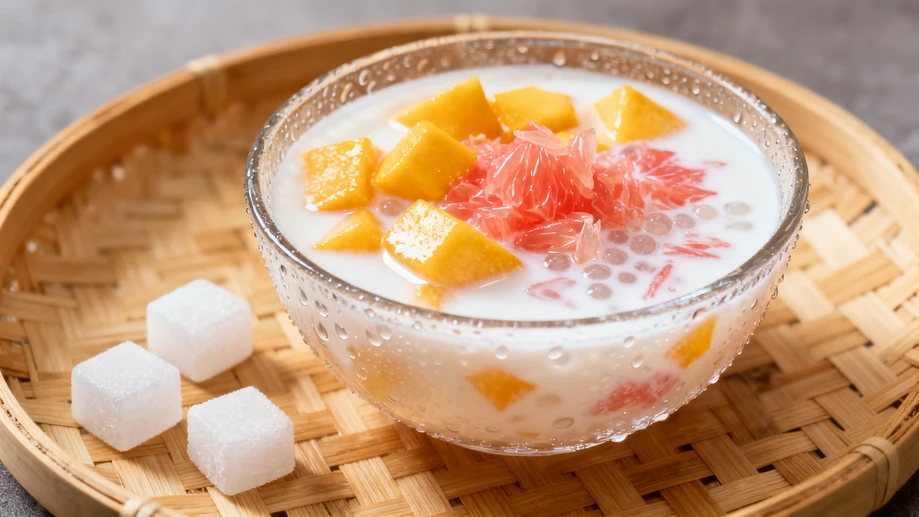
That vibrant bowl of mango pomelo sago looks like pure tropical goodness, doesn't it? With its jewel-like pomelo sacs and golden mango chunks swimming in creamy coconut milk, it's easy to assume you're treating yourself to a healthy dessert. Many food lovers proudly choose this over chocolate cake or ice cream, believing the fruit content makes it a nutritional win. But here's the sticky truth that often gets overlooked in our enjoyment of this popular sweet treat.
While mangoes and pomelo do offer vitamins and fiber, the real story lies in the sugary syrup holding everything together. What most people don't realize is that traditional recipes call for significant amounts of simple syrup or condensed milk to balance the tartness of the fruits. A standard restaurant serving can contain up to 8 teaspoons of added sugar - that's nearly the entire daily limit recommended by health organizations. The coconut milk base, while rich in flavor, also contributes hidden saturated fats that accumulate quickly.
This creates a nutritional paradox where the dessert's healthy reputation becomes its greatest deception. We psychologically justify larger portions because "it's fruit-based," yet end up consuming more sugar than a can of soda. The chilled temperature further masks the intensity of the sweetness, tricking our taste buds. Even homemade versions often fall into this trap when we instinctively add extra sugar to mimic the familiar restaurant taste we crave.
For those monitoring blood sugar or managing weight, this doesn't mean complete avoidance is necessary. Smart modifications can transform this indulgence into a more balanced treat. Requesting "less syrup" when ordering out reduces sugar content by up to 40%. When preparing it at home, substitute ripe mangoes (which are naturally sweeter) for some of the added sugar, and use light coconut milk. Portion control remains key - enjoy a small bowl as an occasional delight rather than daily habit.
Understanding this common misconception empowers us to savor mango pomelo sago more mindfully. The fruits themselves remain nutritional powerhouses packed with vitamin C and antioxidants. By adjusting our preparation methods and consumption frequency, we preserve both the joy of this beloved dessert and our wellness goals. After all, true food appreciation comes from savoring flavors consciously, not from being deceived by appearances.