
Is Your Spicy Rice Cake Habit Secretly Sabotaging Your Health?
Uncover the surprising truth behind the beloved Korean street food and how to enjoy it without guilt.
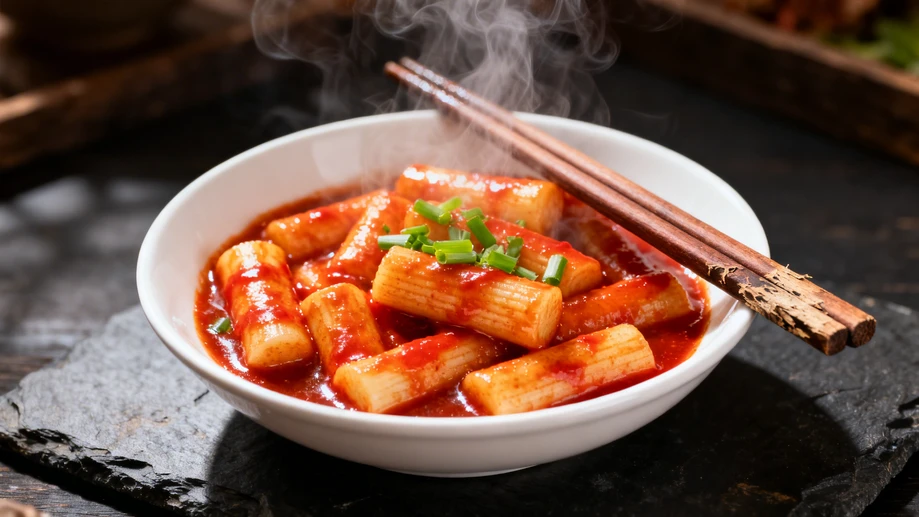
That steaming plate of chewy rice cakes bathed in fiery red sauce seems like the ultimate comfort food. You see it everywhere from Seoul street carts to trendy global eateries, promising warmth and satisfaction. But before you dive into your next portion of tteokbokki, let's address a common misconception: many believe this spicy delight is a "light" snack. The reality might make you pause mid-bite.
Here's where things get tricky. While rice cakes themselves are relatively simple – made from glutinous rice flour and water – the magic lies in the sauce. That addictive, glossy coating is typically a powerhouse of gochujang (fermented chili paste), sugar, and soy sauce. A standard serving can pack more sodium than three bags of potato chips and enough sugar to rival a doughnut. It’s this sweet-spicy balance that hooks you, turning what seems like innocent chewy bites into a hidden calorie and sodium bomb.
Now, don't toss your chopsticks just yet. The key isn't avoidance but smarter enjoyment. Notice how Koreans traditionally eat tteokbokki? It’s rarely a solo act. They pair it strategically – think crunchy vegetable sticks dipped into the sauce or a side of protein-rich boiled eggs. This isn't just about variety; it’s genius damage control. The veggies add fiber to slow sugar absorption, while eggs provide protein to keep you full longer, preventing that post-spike crash. Even adding a handful of cabbage or carrots directly into the simmering pot boosts nutrition without sacrificing flavor.
Timing matters too. Ever felt sluggish after a lunchtime tteokbokki feast? That fiery bowl might be better suited as a pre-dinner indulgence rather than a main meal. Consuming it on an empty stomach can irritate sensitive digestive systems, while enjoying it alongside other dishes helps buffer the impact. And here’s a pro tip: letting it sit for five minutes after cooking allows the sauce to thicken and cling better, meaning you’ll use less sauce while still getting maximum flavor in every bite.
Who should approach with extra caution? If you’re managing blood pressure, watch your portions – that sodium content adds up fast. Those with acid reflux might experience discomfort from the combo of spice and carbs expanding in the stomach. Surprisingly, fitness enthusiasts take note: while great for quick energy before a workout, the high glycemic index can cause energy dips later. The solution? Balance is everything. Enjoy tteokbokki as an occasional fiery treat rather than a daily staple, pair it wisely, and listen to your body’s signals.
Ultimately, this isn't about declaring war on spicy rice cakes. It’s about enjoying them consciously. By understanding what’s really in that red sauce and adopting simple pairing strategies, you can savor the heat without the hidden consequences. That little bit of mindfulness transforms your guilty pleasure into just… pleasure.