
The Five Biggest Bibimbap Myths You Should Stop Believing Immediately
Uncover the surprising truths behind common misconceptions to elevate your Korean stone bowl rice experience every time
Have you ever sat down at a Korean restaurant, ordered bibimbap, and immediately stirred everything together without a second thought? Many of us do this out of habit, assuming it's just a quick mix-and-eat affair. But hold on—this simple act might be robbing you of the dish's full glory. Bibimbap, that sizzling, colorful masterpiece served in a hot stone bowl, is more than meets the eye. It's a cultural staple that dates back centuries, designed as a balanced meal with fresh veggies, protein, and rice. Yet, in our rush to dig in, we often fall prey to widespread myths that turn this delightful dish into a bland blur. Let's dive into the real story and transform how you approach your next bowl.
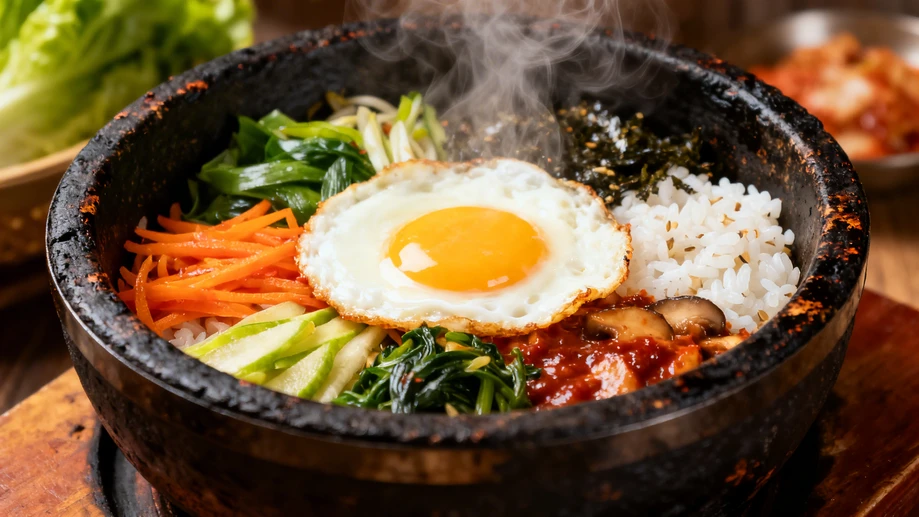
One of the most persistent myths is that bibimbap is essentially glorified leftovers—a random jumble of whatever's in the fridge. Picture this: you're at home after a long day, scraping together bits of kimchi, spinach, and yesterday's rice, thinking you're creating an authentic bibimbap. In reality, traditional versions are meticulously crafted with seasonal ingredients like bean sprouts, carrots, zucchini, and a perfectly fried egg, each component adding distinct flavors and textures. The beauty lies in the harmony; for instance, the crispness of fresh vegetables contrasts with the soft rice, while the gochujang sauce ties it all together. By treating it as a quick fix, you miss out on the culinary artistry that makes bibimbap a nourishing, intentional meal rather than a haphazard mix. So next time, take a moment to appreciate the vibrant arrangement before mixing—it’s a feast for both eyes and palate.
Another common misconception is that bibimbap is unhealthy, loaded with grease or fried elements that pile on calories. This fear often stems from seeing the dish served in a scorching stone bowl, which causes a sizzle that might seem like it's deep-fried. But here’s the truth: that hot bowl is key to unlocking bibimbap's health benefits without adding extra fat. The stoneware is heated to high temperatures to sear the rice at the bottom, creating a crispy layer known as nurungji. This process requires minimal oil—just a light brushing—and the ingredients themselves are mostly steamed or raw vegetables, lean proteins like beef or tofu, and fermented sauces packed with probiotics. In fact, a typical bowl delivers a balanced mix of fiber, vitamins, and protein, supporting digestion and energy levels. By avoiding this myth, you can savor bibimbap guilt-free, knowing it's a wholesome choice that fits into any balanced diet.
Then there's the advice to mix everything right away as soon as it hits the table. We’ve all done it: grabbing those chopsticks and swirling furiously to blend the colors into a uniform mess. However, doing so too soon can ruin the textural symphony that defines bibimbap. The hot stone bowl is designed to slowly crisp the rice over time, so if you wait a minute or two, you’ll hear a gentle crackle as it forms that golden crust. This delay allows each ingredient to retain its integrity—say, the crunch of cucumber against the chew of mushrooms—while the gochujang infuses everything evenly. Think of it as building suspense; by pausing, you enhance the flavors and create a more dynamic eating experience. In contrast, mixing immediately turns it into a soggy disappointment. So resist the urge and let the magic unfold naturally for a truly satisfying crunch.
Finally, many assume bibimbap isn't adaptable for vegetarians or health-conscious eaters, believing it's inherently meat-heavy. This myth can lead to missed opportunities, especially in today's diverse dining scene. The reality is that bibimbap is incredibly versatile; swap out beef for tofu or mushrooms, and you've got a protein-rich, plant-based version that's just as flavorful. Even the gochujang sauce can be adjusted for spice levels or dietary needs. By embracing this flexibility, you open doors to enjoying bibimbap in various settings, from casual lunches to special occasions. So next time you order, customize fearlessly—it’s a dish that welcomes everyone to the table.
Debunking these myths not only enhances your appreciation of bibimbap but also elevates everyday moments. Whether you're dining out or whipping up a bowl at home, remember that this dish is a celebration of balance and patience. By avoiding these pitfalls, you'll unlock richer flavors and textures, making each bite a journey through Korean culinary heritage. So go ahead—order that sizzling stone bowl, wait for the crisp, and mix with intention. Your taste buds will thank you for the authentic experience.