
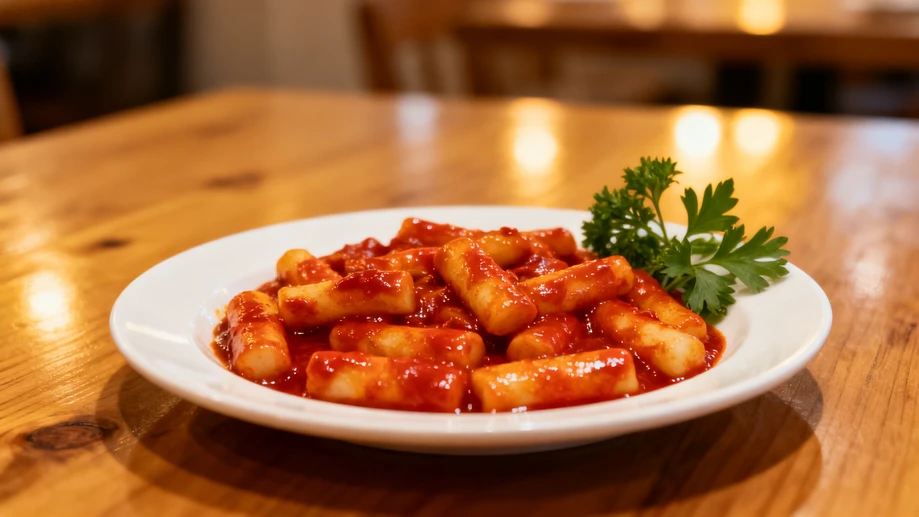
You Are Totally Wrong About Why Tteokbokki Seems Unhealthy!
Uncover the shocking reality behind this spicy Korean delight and how it's secretly a smarter snack than you think.
Picture a bustling street in Seoul, where clouds of steam rise from sizzling carts and the rich aroma of gochujang sauce fills the air. People line up eagerly for a bowl of tteokbokki, those chewy rice cakes coated in a fiery red glaze, often sharing laughs over shared plates. But here’s the catch: many food lovers avoid it like the plague, convinced it’s nothing but a calorie bomb that piles on pounds. They assume this beloved treat is akin to downing a fast-food burger, packed with unhealthy fats and sugars that lead to weight gain or health woes. This mindset is everywhere, from casual chats at cafés to online food forums where folks lament their guilty pleasures. It’s a perfect storm of misinformation spreading through social shares and personal anecdotes.
The biggest blunder people make is assuming all tteokbokki is created equal and inherently fattening. They see the glossy, sticky sauce and envision a sugary nightmare. But hold on—the truth is way more fascinating. Yes, traditional versions use gochujang paste, which adds sweetness and spice, but the main offender isn’t the sauce itself. It’s often the cooking method: street vendors might toss in extra oil for texture or pile on sugary additives to amp up flavor. Plus, many forget that rice cakes are primarily made from rice flour, a low-fat carb that’s naturally gluten-free and easy to digest. Over time, this oversimplified view has snowballed into a myth, fueling fears that tteokbokki is a diet saboteur.
However, diving deeper into the science reveals a totally different story. Think about those chewy rice cakes—they’re made from simple ingredients like rice and water, offering a decent source of energy without heavy fats. The magic sauce? Gochujang is fermented, packing probiotics that boost gut health and capsaicin from chilies that may rev up metabolism. In fact, studies suggest capsaicin can help with calorie burning and appetite control. If you’re watching your waistline, homemade versions skip extra oils and use natural sweeteners like honey sparingly. Suddenly, that bowl isn’t a villain but a potential ally in a balanced lifestyle.
Of course, indulging mindlessly won’t do you any favors. If you’re wolfing down huge portions or frequenting spots that drown the dish in sugary sauces, it might tip scales toward weight gain. The key is smart adaptation: scale back on added sugars, pair it with veggies like cabbage to add fiber, and opt for lighter cooking. This shift transforms tteokbokki from a guilty pleasure to a smarter snack. For instance, many fitness enthusiasts now whip it up at home as a post-workout refuel, loading it with greens for an extra punch. It’s all about balance and context.
Ultimately, embracing this delicious dish doesn’t mean ditching your health goals. Focus on quality ingredients and portion control. When cooked right, tteokbokki can be a vibrant part of your diet, offering both comfort and nutrients. Next time you’re tempted to skip it, remember—it’s not the rice cakes that are the problem. Give it a try with a fresh perspective, and you might just find a new favorite way to spice up your meals guilt-free.