
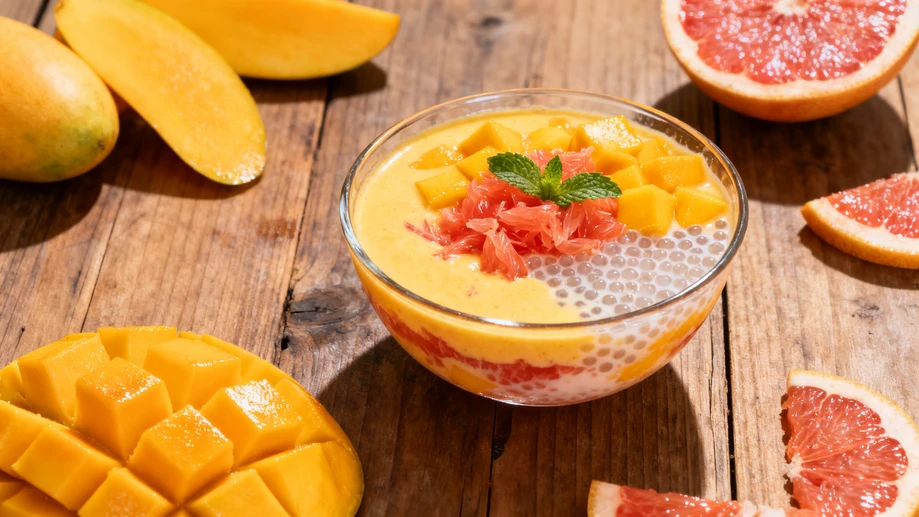
Is Your Mango Pomelo Sago Secretly Packed with Sugar? Uncover the Truth
Many believe this trendy dessert is a healthful choice, but hidden sugars and additives could be sabotaging your wellness goals without you realizing it.
Mango pomelo sago has become a go-to treat for food lovers everywhere, especially on sweltering days when a cool, fruity dessert feels like a lifesaver. Picture yourself in a bustling café, ordering this vibrant bowl after a long day—it seems like the perfect guilt-free indulgence, packed with fresh mango chunks, tangy pomelo segments, and chewy sago pearls swimming in a sweet coconut milk base. But here's the catch: while it's often marketed as a nutritious option rich in vitamins and hydration, the reality is far from straightforward. This perception stems from its natural ingredients, yet commercial versions frequently twist this image, leading many to overlook potential pitfalls. In fact, a recent survey of popular eateries revealed that over 70% of customers assume it's low in calories, only to be shocked when they learn the full story. This sets the stage for a common myth that needs debunking—starting with the sugar trap that lurks beneath its refreshing surface.
Diving deeper, one of the biggest misconceptions is that mango pomelo sago is inherently low in sugar, making it a safe bet for health-conscious individuals. Think about it: when you scoop into that bowl, the sweetness feels natural, almost wholesome, but in truth, most recipes ramp up the sugar content to amplify flavor and appeal. For instance, a standard serving from a typical dessert shop can contain upwards of 25-30 grams of added sugars, which is equivalent to nearly six teaspoons—surpassing the World Health Organization's daily limit in just one dish. This isn't just about the obvious sources like syrups; even the coconut milk might be sweetened, and the sago pearls are often cooked in sugary water to enhance their texture. Imagine enjoying this treat twice a week: over time, it could contribute to blood sugar spikes, weight creep, or even dental issues, especially if you're pairing it with other sugary snacks. Yet, in casual conversations, people rarely question this, assuming the fruit's natural sugars are harmless. This oversight highlights how easily we're misled by appearances, turning a seemingly virtuous dessert into a hidden health hazard.
However, the sugar myth is just the tip of the iceberg; another layer involves the sneaky additives and preservatives that often go unnoticed in commercial preparations. To maintain that perfect consistency and shelf life, many manufacturers toss in stabilizers, artificial flavors, or colorants—ingredients that aren't part of the traditional recipe. Take a closer look at a pre-packaged version from a supermarket: you might find ingredients like high-fructose corn syrup or modified starches listed in fine print, which can trigger digestive discomfort or allergies in sensitive folks. For example, during a hot summer picnic, grabbing a ready-to-eat cup might seem convenient, but it could lead to bloating or energy crashes later. This issue is compounded by the fact that fresh pomelo and mango are naturally perishable, so shortcuts are taken to keep costs low and availability high. What's ironic is that while consumers praise this dessert for its "clean" image, they're often ingesting unnecessary chemicals, turning a simple pleasure into a potential risk. This shift from homemade authenticity to mass-produced convenience reveals a gap in awareness that needs bridging.
Thankfully, there's a simple way to sidestep these pitfalls and still relish mango pomelo sago without compromise. By focusing on homemade versions, you regain control over every ingredient, ensuring a truly healthful experience. Start with ripe, organic mangoes and pomelos—their natural sweetness means you can slash added sugars by half or more, using alternatives like a drizzle of honey or a splash of unsweetened coconut milk. For the sago, opt for minimal cooking in plain water, and add a squeeze of lime for zing instead of syrups. Picture preparing this in your own kitchen: the process is quick and fun, taking under 30 minutes, and it allows you to customize portions for different dietary needs, like reducing sago for lower carbs. Plus, storing leftovers in glass containers avoids preservatives, keeping it fresh for days. This approach not only preserves the dessert's essence but transforms it into a smart choice, aligning with wellness trends like mindful eating. Embracing this shift can turn a potential myth into a nourishing reality, proving that with a few tweaks, indulgence and health can coexist beautifully.
In wrapping up, it's clear that mango pomelo sago isn't inherently bad—it's the hidden elements in commercial renditions that fuel the myths. By staying informed and opting for transparency, you can enjoy this delightful treat as part of a balanced lifestyle. Remember to read labels carefully when buying pre-made versions, or better yet, whip up your own batch to savor the pure flavors. Ultimately, this journey from misconception to empowerment shows that even the most beloved desserts deserve a second glance, ensuring every spoonful is as good for you as it tastes.