
Sukiyaki: The Simmering Soul of Japanese Culinary Heritage
A Journey Through Japan's Iconic One-Pot Celebration of Umami and Unity
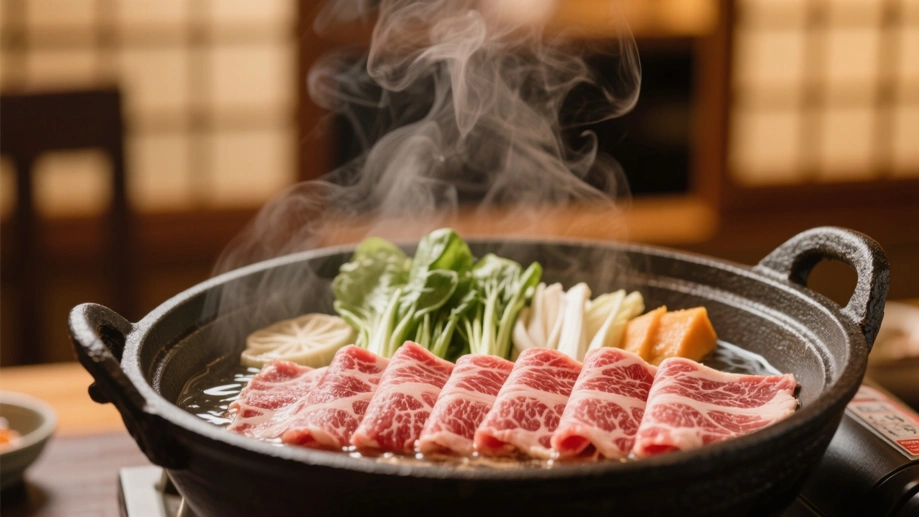
As steam rises from the cast-iron pot and the unmistakable sweet-savory aroma fills the air, sukiyaki transcends mere sustenance to become a cultural ceremony. This iconic Japanese hotpot represents centuries of culinary refinement where premium beef meets seasonal vegetables in a communal dining ritual. Born during Japan's transformative Meiji era, sukiyaki evolved from peasant ingenuity—legend tells of farmers grilling meat on plow blades—to become the national comfort food, reflecting both historical shifts in dietary customs and the enduring Japanese reverence for seasonal ingredients. Each simmering pot tells a story of regional variations, from Tokyo's refined shoyu-based warishita broth to Osaka's caramelized sugar-forward style, united by their power to gather loved ones around warmth and flavor.
The alchemy begins with thinly sliced marbled beef—traditionally prized Wagyu—seared in rendered beef fat before being adorned like jewels around the pot. Napa cabbage forms the foundation, layered with chrysanthemum greens, shiitake mushrooms with decorative crosshatched tops, translucent onion wedges, and delicate enoki mushrooms resembling golden threads. Tofu cubes and konnyaku noodles complete this edible mosaic. The transformative warishita broth, a masterful blend of soy sauce, mirin, sake, and sugar, is poured tableside, bubbling as it caramelizes the edges of ingredients while preserving their textural integrity. This sweet-savory elixir defines sukiyaki's signature taste—a harmonious contrast to other Japanese hotpots like shabu-shabu's clean simplicity.
Dining etiquette transforms the meal into theater: ingredients cook progressively as diners select morsels with chopsticks. The crowning ritual involves dipping hot beef and vegetables into raw beaten egg—a velvety coating that tempers heat while adding luxurious richness. Regional customs dictate distinct approaches; Kanto-style involves pre-mixing all ingredients with broth like a stew, while Kansai-style features sequentially seared ingredients before adding liquid. Essential accompaniments include steamed rice to absorb residual sauce and pickles to cleanse the palate between rich bites. Modern adaptations introduce seafood or vegetarian versions, yet the essence remains—the pot as a gathering place where food and conversation simmer together.
Sukiyaki occupies sacred space in Japan's emotional landscape, symbolizing both celebration and everyday togetherness. Families traditionally share it on New Year's Eve and birthdays while restaurants offering private sukiyaki rooms host business negotiations sealed over shared pots. Its post-war popularity surge reflected Japan's economic rebirth as affordable beef became accessible. Films and literature immortalize sukiyaki moments—whether comforting reunions in Yasujirō Ozu's domestic dramas or nostalgic recollections in Haruki Murakami's novels. Beyond borders, sukiyaki became Japan's edible ambassador, introduced globally through 1960s culinary diplomacy and Kyū Sakamoto's chart-topping song "Ue o Muite Arukō," internationally retitled "Sukiyaki."
Today, sukiyaki masters balance tradition with innovation. Michelin-starred chefs source heritage-breed beef while respecting classical techniques, while izakayas offer casual versions with craft beer pairings. Home cooks utilize electric hotplates instead of charcoal braziers, yet maintain ancestral recipes. As diners worldwide seek authentic experiences, sukiyaki endures as a delicious testament to Japan's culinary philosophy—where respect for ingredients, seasonal awareness, and shared humanity converge in one unforgettable pot, forever warming hearts across generations and continents.