
Unlock the Secret to Perfect Bibimbap Every Single Time
Discover the surprising technique that transforms messy mixing into culinary harmony for your Korean stone pot rice
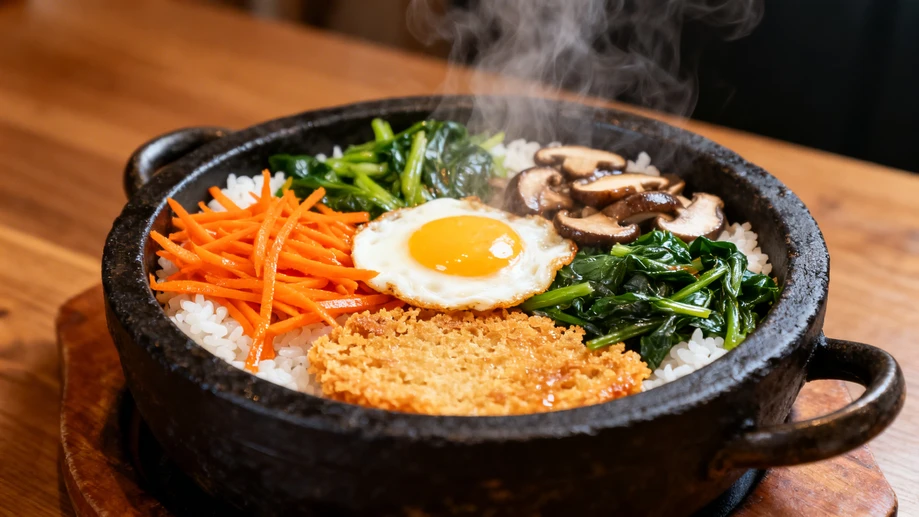
That sizzling stone pot arrives at your table, vibrant vegetables artfully arranged over steaming rice, topped with a glistening fried egg. Your spoon hovers eagerly, but here's the dilemma most bibimbap lovers face: should you dive straight in or methodically mix? The chaotic jumble often results in uneven flavors and textures, with some bites overwhelmingly spicy while others taste bland. This common struggle actually holds the key to unlocking bibimbap's true magic.
Contrary to popular belief, vigorous stirring isn't the answer. Watch Korean grandmothers in traditional restaurants – they employ a deliberate layering technique instead. Start by gently folding just the egg yolk into the rice, creating a rich golden base. Then incorporate half the gochujang sauce vertically rather than horizontally, allowing chili paste to seep downward. This preserves the crispy rice crust developing at the bottom while preventing the vegetables from becoming soggy. Patience rewards you with distinct textures in every spoonful.
Temperature control plays a crucial role that's often overlooked. Many impatient eaters begin mixing immediately, wasting the stone pot's thermal magic. Allow the bowl to rest untouched for exactly two minutes after serving. This lets the bottom layer transform into crunchy nurungji (rice crust) while keeping upper ingredients fresh and vibrant. Test readiness by listening for soft crackling sounds – nature's timer for perfect texture contrast. That audible cue signals it's time to commence your strategic mixing ritual.
Your sauce application method makes all the difference. Rather than dumping all the gochujang at once, add it in three stages: first a light drizzle over proteins, then a swirl through vegetables, finally a thorough blending with rice. This gradual integration prevents flavor pockets and allows you to adjust spice levels dynamically. Keep sesame oil handy for moisture control – a few drops revitalizes the mixture if it becomes too dry during blending. The result? Each component maintains its identity while harmonizing beautifully.
Notice how ingredients are strategically placed in authentic bibimbap? There's science behind the arrangement. Heavier items like mushrooms anchor the bottom, while delicate sprouts crown the top. When mixing, work from the perimeter inward using scoop-and-fold motions. This technique evenly distributes ingredients without pulverizing them. For home cooks, arrange vegetables in color-contrasting sections before cooking – not just for beauty, but to ensure even cooking temperatures for different textures.
Mastering these techniques elevates bibimbap from mixed rice to culinary meditation. The rhythmic folding becomes a mindful practice, connecting you to centuries of Korean food wisdom. Next time your stone pot arrives, resist the urge to attack it like a salad. Embrace the deliberate layering, respect the sizzle, and transform your meal into a symphony of contrasting textures and unified flavors. Your taste buds will detect the difference immediately – and that coveted crispy rice at the bottom? That'll be your perfectly executed encore.