
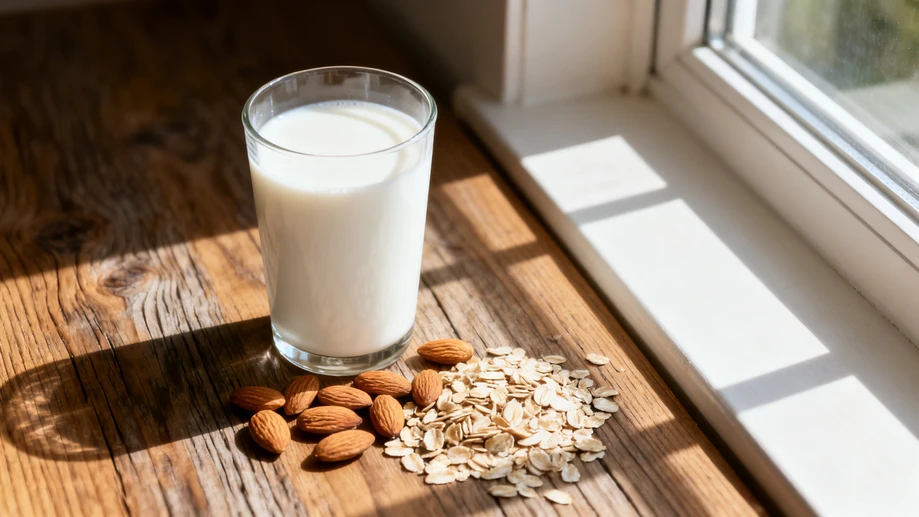
Does Your Glass of Milk Secretly Cause Breakouts? The Surprising Science
Exploring the controversial link between dairy consumption and acne with evidence-based insights for clearer skin choices
You've probably heard the rumor whispered in skincare circles or seen it trending online - that innocent glass of milk might be sabotaging your complexion. Before you banish dairy from your fridge forever, let's separate milk myths from scientific facts. The relationship between milk and acne isn't as straightforward as many believe, and the latest research reveals some surprising nuances that could change how you approach your daily dairy intake.
Multiple studies have indeed found correlations between dairy consumption and increased acne severity, particularly among teenagers. Researchers point to milk's natural hormones and growth factors that may stimulate oil glands in our skin. Whole milk, skim milk, and even ice cream contain insulin-like growth factor 1 (IGF-1), which can trigger inflammation and excess oil production - the perfect storm for clogged pores and breakouts. But here's where it gets interesting: not all dairy products affect everyone equally, and the dose makes the poison.
Surprisingly, cheese and yogurt often get a free pass in the acne-dairy debate due to their fermentation process. When bacteria break down milk sugars, they reduce IGF-1 levels significantly. This explains why many acne sufferers can enjoy Greek yogurt without consequences while noticing flare-ups after drinking lattes. The lactose content also plays a role, as undigested milk sugars can promote inflammation throughout the body, including your skin. This complex interaction means your neighbor might blame their pizza for zits while your skin remains clear after cheese fondue night.
Before swearing off dairy completely, consider conducting a personal experiment. Try eliminating all milk products for three weeks while monitoring your skin's response. If you notice improvement, reintroduce different dairy types separately - perhaps yogurt first, then cheese, then liquid milk. This detective work helps identify your personal triggers without unnecessary dietary restrictions. Remember that genetics, stress levels, and overall diet quality interact with dairy effects, making blanket statements about milk and acne unreliable for individuals.
For those who discover genuine sensitivity, numerous alternatives exist without sacrificing nutrition. Calcium-fortified plant milks offer similar benefits, and fermented options like kefir provide probiotics that may actually improve skin health. The key takeaway? Milk affects everyone differently, and understanding your body's unique response empowers smarter choices. So next time you reach for that latte, you'll know whether it's truly a skin saboteur or just an innocent bystander in your complexion journey.