
Is Your Green Tea Actually Making You Anxious?
3 Surprising Truths About Caffeine in Your Daily Cup That Might Shock You
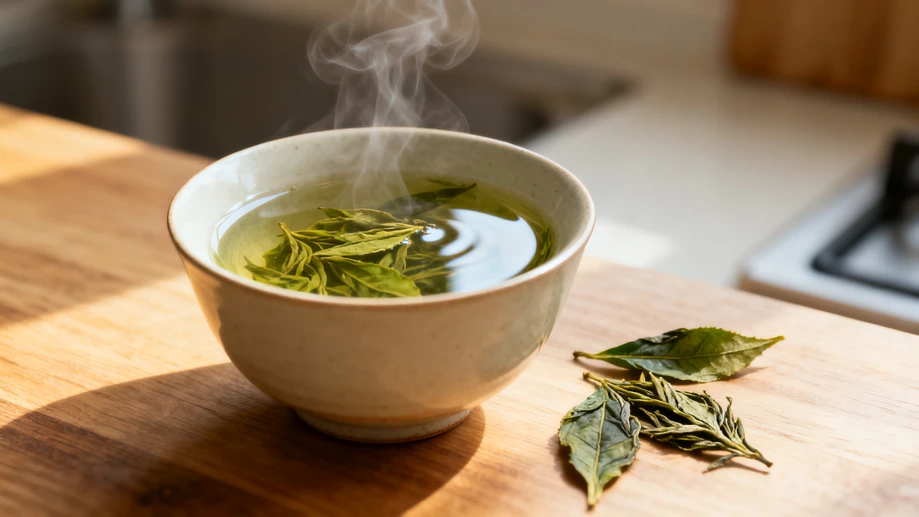
Picture this: you’re sipping your afternoon green tea, feeling virtuous about choosing a "calm" beverage over coffee, only to find your hands jittery and your mind racing. Wait, isn’t green tea supposed to be relaxing? This common scene trips up countless tea lovers who mistake green tea for a universally low-caffeine drink. The truth is far more nuanced, and understanding it can transform your relationship with that soothing cup.
While green tea does generally contain less caffeine than coffee or black tea, its levels aren’t negligible. A typical cup can pack anywhere from 20 to 45 milligrams of caffeine – that’s roughly half a shot of espresso! The variation is huge, depending on factors like the tea plant variety (Camellia sinensis assamica has more caffeine than sinensis), where the leaves grew (shade-grown like matcha is caffeine-rich), and even the leaf’s position on the bush (young buds hold more punch). So, that delicate, pale brew might be stealthily delivering a significant stimulant kick.
Here’s the real eye-opener: brewing technique is a major caffeine dictator many overlook. Steeping time is the big player. Leaving those leaves swimming for just 1 minute? You might get 15mg of caffeine. Forget about it for 5 minutes? That number can easily double or triple. Water temperature matters intensely too. Boiling water (100°C/212°F) aggressively pulls caffeine out fast, while cooler water (70-80°C/160-175°F) extracts it much more slowly. Your "quick 2-minute steep with boiling water" could be delivering a caffeine payload closer to black tea than you ever imagined.
But why do some people feel wired while others feel nothing? Individual sensitivity is the hidden variable. Genetics influence how fast your liver processes caffeine. If you’re a "slow metabolizer," even moderate green tea can cause anxiety, insomnia, or heart palpitations. Your daily habits matter too. Skipping breakfast? Caffeine hits harder on an empty stomach. Regular coffee drinkers might barely notice green tea’s buzz, while caffeine-naive individuals could feel like they’ve had an espresso. It’s not just the tea; it’s your unique biology interacting with it.
So, what’s the solution if you love green tea but hate the jitters? Master the art of the mindful brew. First, ditch boiling water. Aim for 70-80°C (160-175°F). Second, be a clock-watcher: steep for 1-2 minutes max for a gentler lift. Third, consider "de-caffeinating" your cup at home: steep leaves for 30 seconds in hot water, discard that water (it removes a big chunk of caffeine), then re-steep the same leaves for your actual drink. You keep the flavor compounds but ditch much of the stimulant. Finally, listen to your body. If you feel anxious after a cup, it’s not "just in your head" – it’s chemistry. Adjust your brew or timing, and reclaim that peaceful tea moment you deserve.