
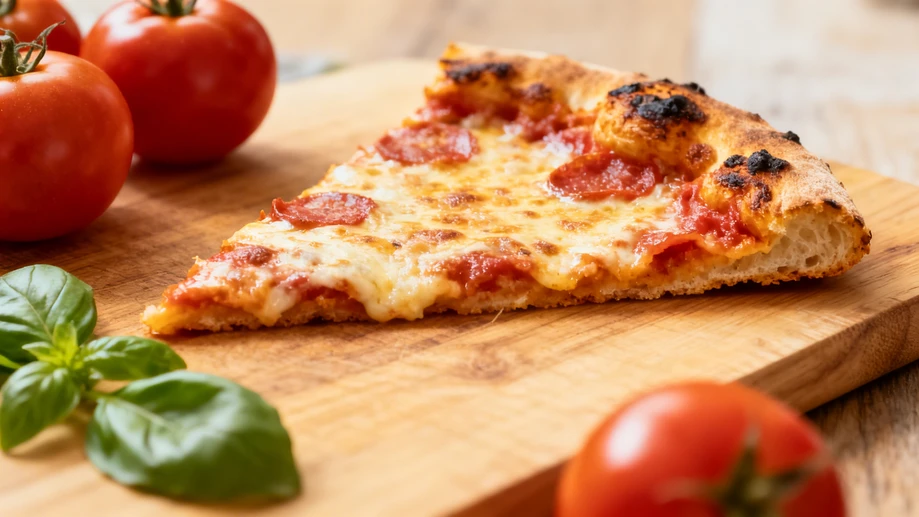
Is Pizza Really as Unhealthy as You've Always Been Told?
Dispelling myths about pizza nutrition and revealing how it can fit into a balanced lifestyle without guilt.
Imagine this: You're grabbing a slice at a cozy neighborhood pizzeria after a long workday, chatting with friends over melted cheese and crispy crust. Suddenly, a nagging thought creeps in— "Isn't this bad for me?" This guilt is common, fueled by widespread misconceptions that label pizza as a dietary villain. But hold on before you ditch that slice—many of these beliefs are simply myths. Let's dive into the reality behind pizza's bad rap, starting with why it's often unfairly judged in our daily lives.
One of the biggest misunderstandings is that pizza is nothing more than empty calories packed with unhealthy fats. People picture greasy slices dripping with oil, assuming it's all junk food that offers no real sustenance. Yet, this overlooks how a well-made pizza can be a nutritional powerhouse. For instance, a slice topped with fresh vegetables like spinach and bell peppers provides essential vitamins like A and C, while the tomato sauce offers lycopene, a powerful antioxidant. The crust, often whole-grain in modern variations, adds fiber that aids digestion. So next time you're at a casual dinner party, remember that choosing veggie-loaded options turns pizza from a guilty pleasure into a smart choice for your well-being.
Another persistent fallacy is that pizza automatically leads to weight gain or health issues due to its high fat content, especially from cheese. This scare tactic ignores the role of moderation and ingredient quality. In reality, cheese isn't the enemy it's made out to be; it supplies calcium and protein when consumed reasonably. Studies show that enjoying a slice or two as part of a diverse meal plan doesn't derail health goals. Plus, many pizzerias now offer lighter cheeses or reduced-fat versions, making it easy to customize orders for a balanced intake. Transitioning from fear to fact, consider how everyday scenarios like office lunches can incorporate thin-crust pizzas with lean meats—these adjustments maintain flavor while cutting unnecessary fats.
Beyond those myths, pizza shines as a versatile dish that adapts beautifully to modern dietary needs, proving it's not inherently unhealthy. In home kitchens, families are experimenting with wholesome recipes, swapping refined flour for whole-wheat bases and loading up on plant-based toppings. This evolution stems from a growing awareness that pizza isn't a monolithic junk food; its health impact depends entirely on preparation. Picture a weekend gathering where kids help assemble mini-pizzas with colorful veggies—this fun activity turns mealtime into a nutritional lesson without sacrificing joy. Moving forward, the key lies in personalization rather than avoidance.
Ultimately, pizza deserves a spot in our lives as a joyful, balanced option when approached mindfully. By debunking these outdated ideas, we can savor every bite without anxiety. Whether it's a quick solo meal or a festive group feast, focus on toppings that boost nutrition and enjoy it in reasonable portions. After all, life's too short for unnecessary food fears—so go ahead and relish that slice, knowing you're making informed choices.