
Are You Really Making Fried Chicken the Villain in Your Diet?
Research Shows Balanced Indulgence May Boost Long-Term Health Habits More Than Strict Avoidance
Picture this: you've had a long week. You crave something comforting, crispy, and utterly satisfying. Fried chicken seems like the perfect answer, but then a familiar wave of guilt crashes over you. That voice in your head whispers about clogged arteries, unnecessary calories, and how you're "ruining" your healthy eating efforts. Sound familiar? This internal struggle, where fried chicken becomes the ultimate dietary demon, is incredibly common yet potentially counterproductive to building sustainable, healthy eating habits. We often paint it with the broad brush of "unhealthy," lumping it unquestioningly into the "never eat" category.
The truth is far more nuanced and interesting than simple prohibition allows. While it's undeniable that deep-fried foods shouldn't be the cornerstone of anyone's daily diet, demonizing a single food item like fried chicken can actually hinder our journey towards better overall health. The key concept many overlook is dietary flexibility. Rigidly labeling foods as purely "good" or "bad" fosters an all-or-nothing mentality. This mindset often leads to cycles of severe restriction followed by impulsive overindulgence when willpower inevitably wanes, especially when faced with potent comfort foods like fried chicken.
Consider the flip side: incorporating small portions of foods you genuinely enjoy, such as fried chicken, into a predominantly balanced diet can prevent that sense of deprivation that ultimately derails healthy eating plans. When you allow yourself permission to enjoy a piece or two alongside a large portion of roasted vegetables or a vibrant salad, you satisfy the craving without the binge. This approach acknowledges the reality of food enjoyment and the psychological benefits of inclusion rather than exclusion. It turns a potential "cheat meal" into a mindful, integrated part of your eating pattern.
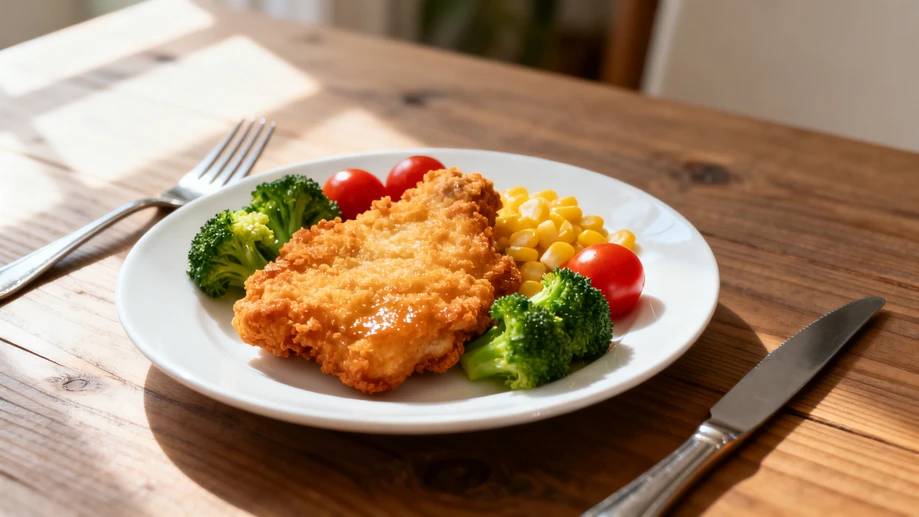
Furthermore, focusing solely on frying ignores the nutritional components inherent in the chicken itself. Chicken is a high-quality protein source essential for muscle maintenance and repair. The cooking method matters immensely, of course, but the base ingredient provides valuable nutrients. An occasional serving of properly prepared fried chicken (using healthy oils at correct temperatures to minimize oil absorption) can absolutely fit into a nutrient-rich diet. The real villain isn't necessarily the chicken; it's more likely the frequency of consumption, the portion size, the type and amount of oil used repeatedly, and the lack of accompanying nutrient-dense sides. Pairing one piece with a heap of steamed broccoli is a vastly different nutritional equation than devouring a family-sized bucket alone.
Building truly sustainable healthy habits means moving away from fear-based food rules and towards balance, mindfulness, and enjoyment. Forbidding fried chicken entirely might work short-term for some, but for many, it sets the stage for eventual rebellion and guilt. Instead, understanding its place – as an occasional, enjoyable part of a varied diet rich in whole foods – is far more powerful. Enjoying that crispy thigh deliberately, without guilt, and alongside nourishing foods isn't a failure; it's a realistic, balanced approach that fosters long-term adherence to healthy living. Ultimately, sustainable health is built on consistency over perfection, and allowing room for life’s simple pleasures, like perfectly cooked fried chicken, can be a crucial ingredient in that recipe.