
Is Your Mango Pomelo Sago Sabotaging Your Health Goals?
The hidden sugar trap in this trendy dessert and how to enjoy it guilt-free without giving up the goodness.
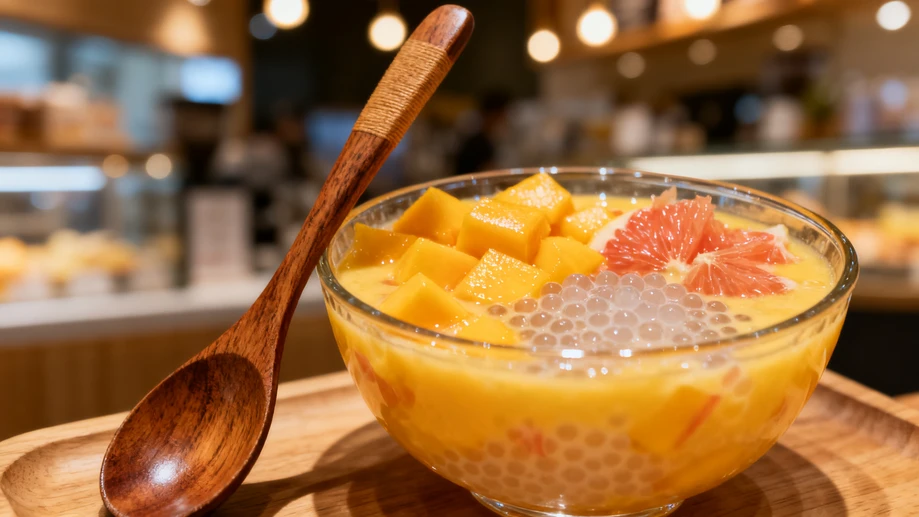
Picture this: you're scrolling through your feed, craving something sweet, refreshing, and undeniably photogenic. Mango Pomelo Sago pops up – creamy mango, tangy pomelo, chewy sago pearls, swimming in that luscious coconut milk. It screams 'healthy tropical paradise' in a bowl, right? Before you rush to order that large serving, convinced it's a virtuous choice, hold on a second. There's a surprisingly sticky truth hidden beneath its sunny surface, one that often catches even the most health-conscious dessert lovers off guard.
The biggest misconception swirling around Mango Pomelo Sago like extra coconut milk is the belief that its natural fruit base automatically makes it a low-sugar, low-calorie treat. The reality? This dessert is frequently a significant source of added sugars. Restaurants and shops often amp up the sweetness with generous amounts of syrup, sweetened condensed milk, or sugar dissolved into the coconut milk base to counteract the tartness of the pomelo and sometimes less-than-perfectly-ripe mangoes. That 'healthy glow' can translate to a surprising amount of sugar per serving, sometimes rivaling a can of soda. The pureed mango, while natural, is also concentrated fruit sugar. Combine this with the starch from the sago pearls and the fats in the coconut milk, and the calorie count quietly climbs.
This doesn't mean you need to exile this delightful dessert forever. The key lies in awareness, not avoidance. Understanding its typical sugar content transforms it from a perceived 'daily superfood' into what it truly is: an indulgent treat, best savored occasionally and mindfully. The base ingredients – mango, pomelo, and sago – do offer nutritional value. Mangoes are packed with vitamins A and C, pomelo provides fiber and vitamin C, and sago, while primarily starch, offers quick energy. The coconut milk adds healthy fats. The issue isn't the inherent ingredients; it's the frequent *enhancement* with heaps of added sugars that tips the scales.
So, how do you navigate this without feeling deprived? First, embrace the sharing culture! Ordering one large portion to split between two or even three people instantly cuts your sugar and calorie intake significantly. Ask about customization – many places are happy to adjust sweetness levels. Requesting 'less syrup' or 'less sweet' can make a world of difference. Be mindful of portion sizes; a small or 'regular' serving is often more than satisfying. Enjoy your bowl slowly, savoring each spoonful of the contrasting textures and flavors – the burst of pomelo, the smooth mango, the chew of the pearls. Consider pairing it with a source of protein or healthy fat earlier in your meal (like nuts, yogurt, or lean protein) to help manage the blood sugar impact of the dessert's natural and added sugars.
Ultimately, demonizing Mango Pomelo Sago misses the point, just as blindly labelling it 'healthy' overlooks the sugar reality. It's a celebration of vibrant tropical flavors, a textural adventure, and a cultural icon. The secret to enjoying this modern classic lies in seeing it clearly for what it is: a delicious, occasional indulgence. By understanding its typical sugar content, making smart choices about portion size and sweetness levels, and savoring it fully, you can absolutely relish every spoonful without derailing your well-being. Treat it like the special dessert it is, and it will reward your taste buds without the hidden regret.