
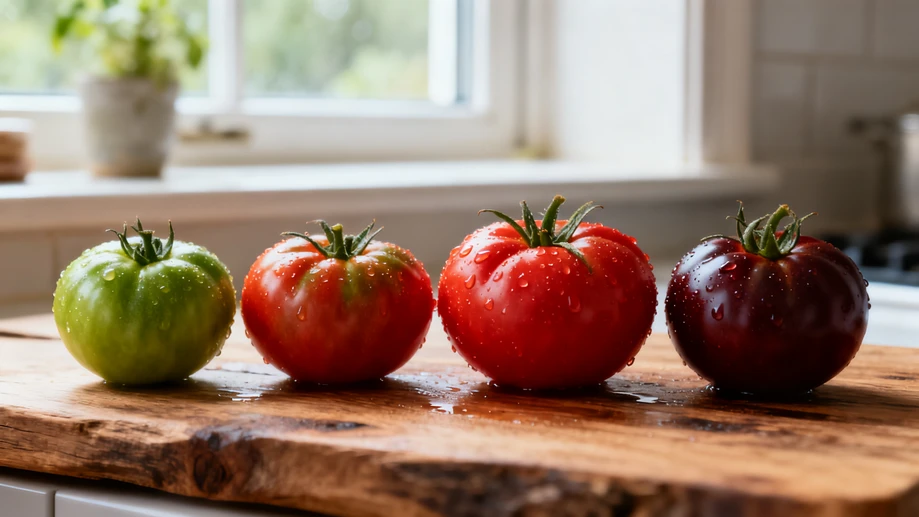
You've Been Storing Tomatoes Wrong Your Whole Life, Haven't You?
Unlock the juicy truth about tomato storage myths that could be sabotaging your summer salads and sauces.
Picture this: you bring home plump, ruby-red tomatoes from the farmers' market, carefully arrange them in a bowl on your sunny kitchen counter, and wait for them to ripen into perfection. It's a scene straight out of a home magazine, but here's the bitter truth – that beautiful display is actually accelerating their journey to mushville. Countertop storage might feel instinctive, yet it's the fastest way to turn your prized tomatoes into sad, mealy disappointments.
Why does this happen? Tomatoes are tropical fruits that despise the cold as much as they hate extreme heat. When you refrigerate them below 50°F (10°C), the chill damages their cellular structure, leaving them with that unappealing grainy texture. But leaving them on the counter isn't ideal either – warm kitchens accelerate over-ripening. The solution lies in a Goldilocks zone: store unripe tomatoes stem-side down on a cool counter away from direct sunlight. Once they develop full color and yield slightly to pressure, eat them within two days for peak flavor.
Here's where most kitchens fail spectacularly – the ethylene gas trap. Many proudly place tomatoes next to bananas or avocados to speed up ripening, not realizing they're creating a flavor disaster. While ethylene does promote color change, it simultaneously breaks down acids and sugars that create that signature tomato zing. For truly vibrant taste, isolate tomatoes from other ethylene producers in a well-ventilated basket. If you must ripen them faster, try the paper bag trick with an apple – but puncture the bag to prevent moisture buildup that invites mold.
Now let's slice through another persistent myth: washing tomatoes before storage. Dunking them in water might seem hygienic, but you're essentially rolling out the red carpet for bacteria. Moisture trapped near the stem scar creates a breeding ground for microbes, while waterlogged skin becomes prone to splitting. Instead, gently wipe with a dry cloth right before eating or cooking. For cherry tomatoes still on the vine? Keep the stems attached until ready to use – those green caps act as natural seals against moisture intrusion.
What about leftover tomato halves? This is where the refrigerator finally becomes useful. Place cut surfaces against plastic wrap, seal tightly, and refrigerate for up to three days. The plastic creates a barrier against both oxygen (which causes discoloration) and refrigerator odors (which tomatoes absorb like sponges). For whole tomatoes approaching overripeness, roast them with olive oil and freeze – you'll thank yourself when making winter pasta sauces. Remember: a perfectly stored tomato isn't just about longevity; it's about preserving that magical balance of sweetness and acidity that makes summer taste like summer.