
Is Pizza Really as Unhealthy as You Think? Think Again!
Discover surprising truths about this beloved dish and how it secretly packs nutritional punches you never imagined
Picture this: you're scrolling through food posts when a gooey, golden-brown pizza appears. Immediately, that little voice whispers "guilty pleasure" – but what if everything you assumed was wrong? For decades, pizza has been branded as junk food royalty, lumped with soda and candy bars. Yet nutrition science reveals a more complex story hiding beneath the cheese.
Consider the tomato sauce base, simmering with lycopene. This powerful antioxidant becomes more bioavailable when cooked, linked to reduced risks of heart issues. Then there's the cheese layer, delivering calcium and protein that keep bones strong and hunger at bay. Even the crust gets redemption when whole grains enter the equation, offering fiber that supports digestion. Suddenly, this "sinful" snack starts resembling a balanced meal.
Where we stumble is in portion distortion and topping traps. That extra-large meat-lover's special ordered at midnight? Definitely not health food. But compare a sensible slice of veggie-loaded thin crust to a sugary breakfast pastry. The pizza provides sustained energy without the blood sugar spike. The real villain isn't the pizza itself – it's extreme serving sizes and processed add-ons like triple pepperoni or bacon strips swimming in grease.
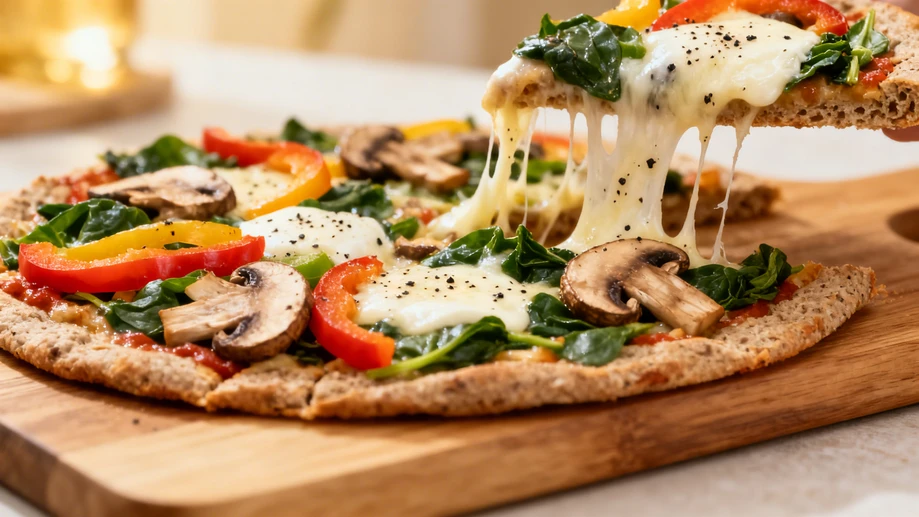
Transform your approach by treating pizza as a canvas rather than a calorie bomb. Swap white flour crust for whole wheat or cauliflower alternatives. Pile on colorful peppers, spinach, mushrooms, and pineapple for vitamin boosts. Use cheese as seasoning rather than a blanket, opting for stronger varieties like feta where less delivers big flavor. Bake at high heat for crispiness without excess oil. Suddenly, your Friday night treat becomes nutrient-dense.
Surprisingly, pizza fits into specialized diets more easily than expected. Athletes benefit from its carb-protein balance for recovery. Vegetarians gain plant-based protein through cheese and veggie toppings. Even gluten-sensitive folks now have quality crust alternatives. The key lies in customization – adjusting components to meet dietary needs while preserving joy. After all, food should nourish both body and spirit.
Next time pizza cravings strike, remember this isn't a nutritional surrender. With mindful ingredient choices and reasonable portions, that steaming slice transforms from guilty pleasure to wholesome satisfaction. The real magic happens when we ditch outdated labels and rediscover pizza's potential to delight both our taste buds and well-being.