
Is Folding Your Pizza Slice Actually a Genius Move?
Unlock the surprising science and practicality behind that iconic New York fold for a cleaner, tastier bite.
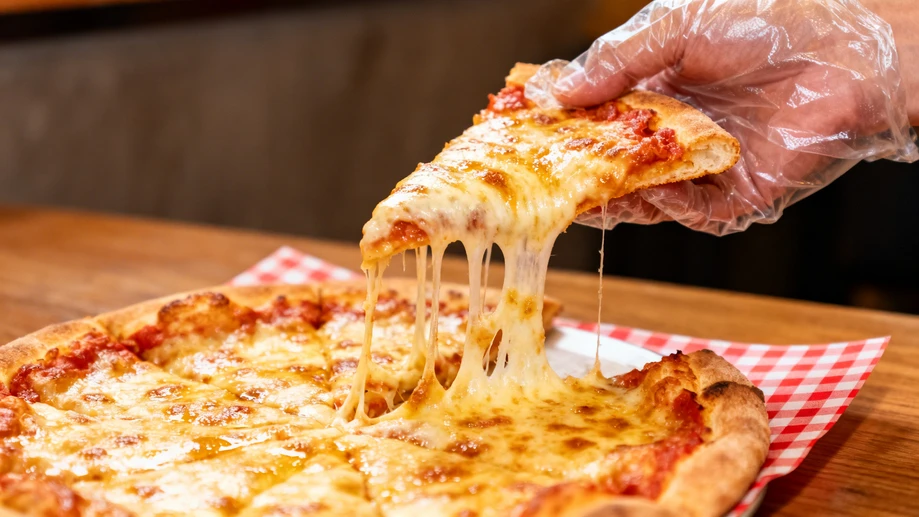
Picture this: you're standing on a bustling New York street corner, the aroma of fresh pizza wafting from a tiny shop. You grab a hot, floppy slice, dripping with cheese and oil. Instinctively, you fold it lengthwise. It's not just a habit; it's a survival tactic against the dreaded "pizza flop" and the "oil slick" running down your arm. But have you ever stopped to wonder why this simple fold works so brilliantly? The answer lies in basic physics and pizza engineering.
That quintessential New York-style slice – thin, flexible, and generously topped – is practically designed for folding. The structural integrity comes from the crust's pliability. When you fold it, you're essentially creating a structural beam. The top layer of cheese and sauce acts as a sort of glue, binding the toppings together, while the fold provides crucial support to the weaker center. This prevents the dreaded mid-bite collapse where all your precious toppings tumble onto the plate (or worse, your lap). It transforms a potentially messy disaster into a neat, portable food packet.
Beyond the structural advantage, the fold serves a critical function in flavor distribution and temperature control. Folding brings the cheese layer closer to the sauce and crust, creating a more integrated bite. The heat trapped within the fold helps keep the cheese molten and gooey for longer, preventing premature solidification. Crucially, it also channels any excess oil or moisture pooling in the center towards the crust end, acting like a built-in gutter system. This means less grease dripping onto your clothes and more flavor staying where it belongs – in your mouth.
However, the fold isn't a universal solution. Attempting this maneuver on a thick, deep-dish Chicago-style pizza or a cracker-thin Roman pizza al taglio would be futile, possibly even disastrous. These styles lack the necessary flexibility or have structural designs (like high, rigid edges) that make folding impossible or pointless. The fold is the domain of the large, thin, flexible slice. Trying to force it elsewhere is like using a screwdriver to hammer a nail – the wrong tool for the job.
So, the next time you pick up a classic thin, floppy pizza slice, embrace the fold. It’s not just a quirky tradition; it’s a practical application of physics enhancing your eating experience. It combats mess, optimizes flavor delivery, maintains ideal cheese texture, and even aids in portion control by making the slice easier to handle. That simple bend transforms a potential hazard into a handheld masterpiece of culinary engineering. Fold with confidence, knowing science is on your side.